Three years after Ian mysteriously disappeared in the wilderness, I’m starting to tell people about the search for him. This is a new experience. I’m used to people just knowing. I’m used to getting knowing looks in the grocery store when I return to southern Colorado. Thousands came to search for Ian and even more watched the whole thing unfold on my Instagram. Others have read about it.
I live in Arizona, 3.5 hours from Ian’s final resting place. Life is moving forward. New people come into my life often and I’m now at the point where I get to decide whether or not to tell them about my past. It usually comes up at some point.
One of the most common responses that I hear is, “I’m sorry for your loss.”
And I have to take a minute to complain about that, because what feels like someone trying to express genuine care comes off as a conversation stopper.
The word “sorry”, to me, means a better choice could’ve been made. For instance: I shouldn’t have yelled, I lost my temper, I’m sorry. That’s the right context for using sorry. The word implies someone did something wrong.
Are they sorry he died? Fact of love and life. I shrug.
Sorry he went missing? I want to shake my head. Ian went for a run in his favorite mountains with a GPS, phone, medication, extra snacks and water purification drops. That’s more prepared than most people leave for a trail run.
A record snowpack was melting at an aggressive rate, the river he crossed in the morning rose by evening. There was no foul play, no mistakes made. Nature was doing its thing.
Tragedy, loss, and accidents will happen to all of us, many times throughout life.
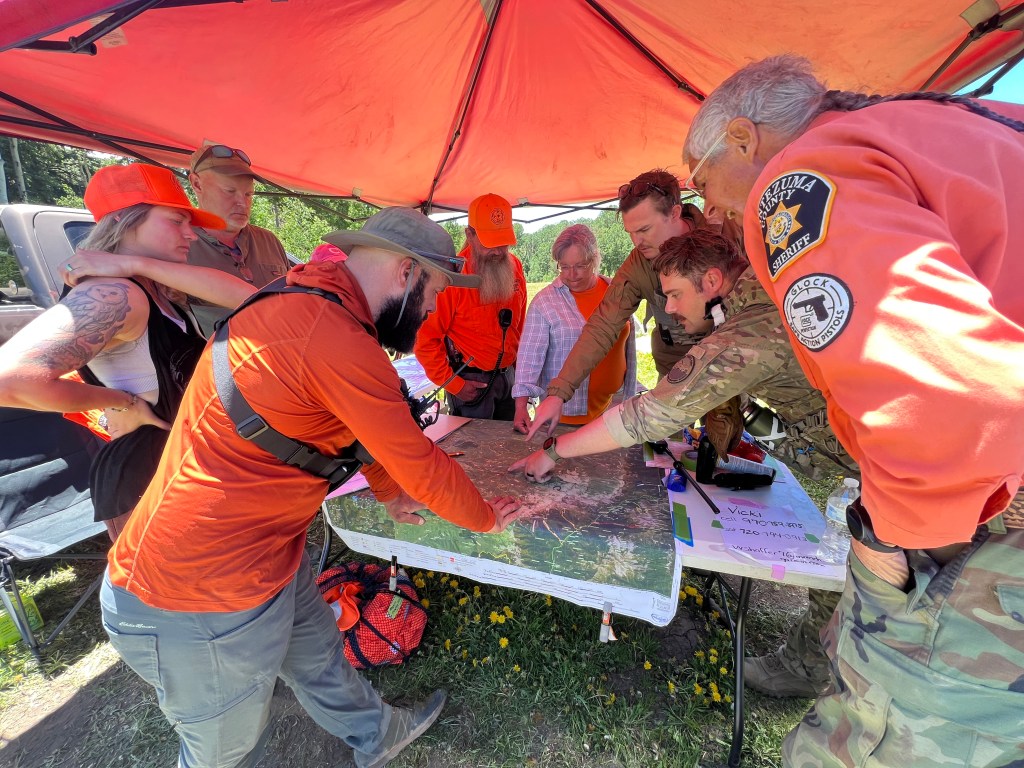
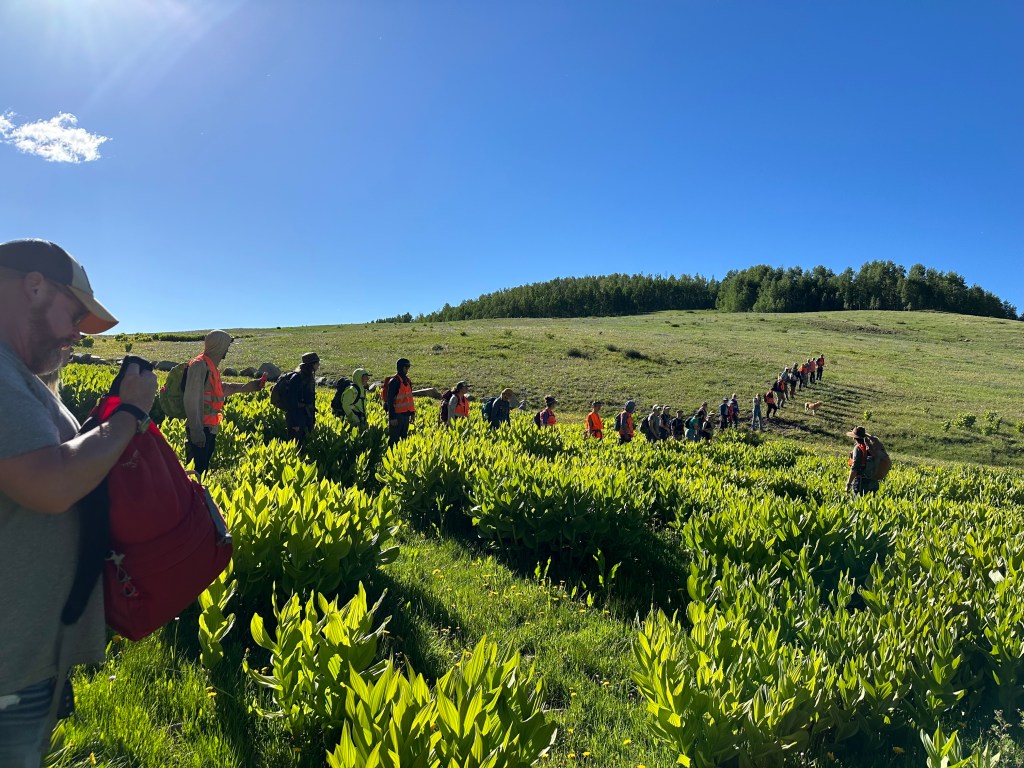
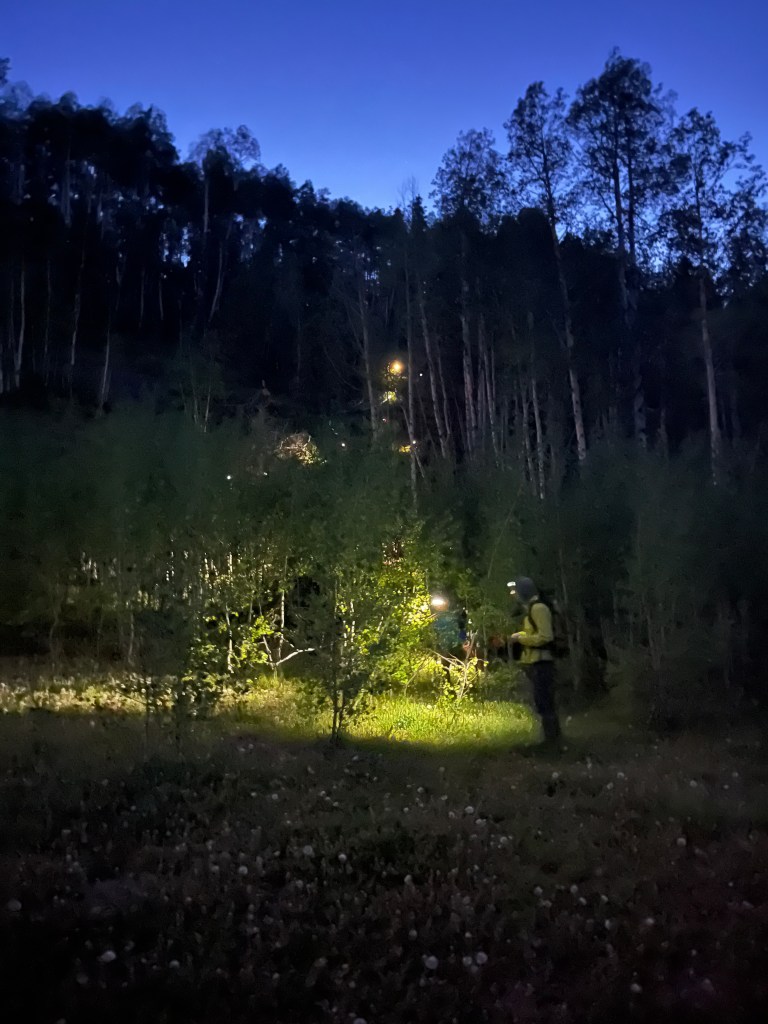
The only thing within our control is our response. We initiated search and rescue. We hiked, we searched, we found his footprints in the mud. We kept ourselves safe while we trudged through the backcountry, searching in methodical rows of volunteers.
“I’m sorry that happened to you,” is another common response.
Again, sorry doesn’t feel like the right word here. Neither does the word “happened.”
Because we exerted a great deal of control, expertise and power over the situation, it was nothing like my dad’s death where I sat helplessly beside his bed, unable to do anything to fight cancer. I am sad that happened.
To find Ian, I rallied the masses and they showed up in full force. For two weeks we had helicopters, drones, ATVs, bikes, climbing ropes, skiers, runners, backpackers, K-9 teams, horses, and wetsuits in the river. We covered thousands of miles. We did not stop, we did not rest, we did everything we could. Anyone lost in the wilderness would hope for that kind of organized response.
If he had been injured or waiting for a rescue, we would’ve found him. We would’ve damn well rescued him.
I mean absolutely no disrespect to the people who have said, “I’m sorry for your loss.” Our societal norms have taught us that’s the polite thing to say. We have not been taught about a healthy death dialogue, because in the United States death is never celebrated, it is heavily mourned behind closed doors and is generally considered a taboo topic of conversation.
I am guilty of saying “I’m sorry” too after someone shared about a loss. As soon as the words left my mouth, it felt wrong in my body. It didn’t open the conversation more, I felt that it stiffened the silence between us when I wanted the opposite.
I don’t have a magical solution or the perfect thing to suggest saying instead.
Maybe, “Thanks for telling me,” could work better in most situations.
Or how about: “Here, take my wallet and buy yourself dinner.” Only kidding.
My body stiffens when someone says they’re sorry, because I’m not sorry.
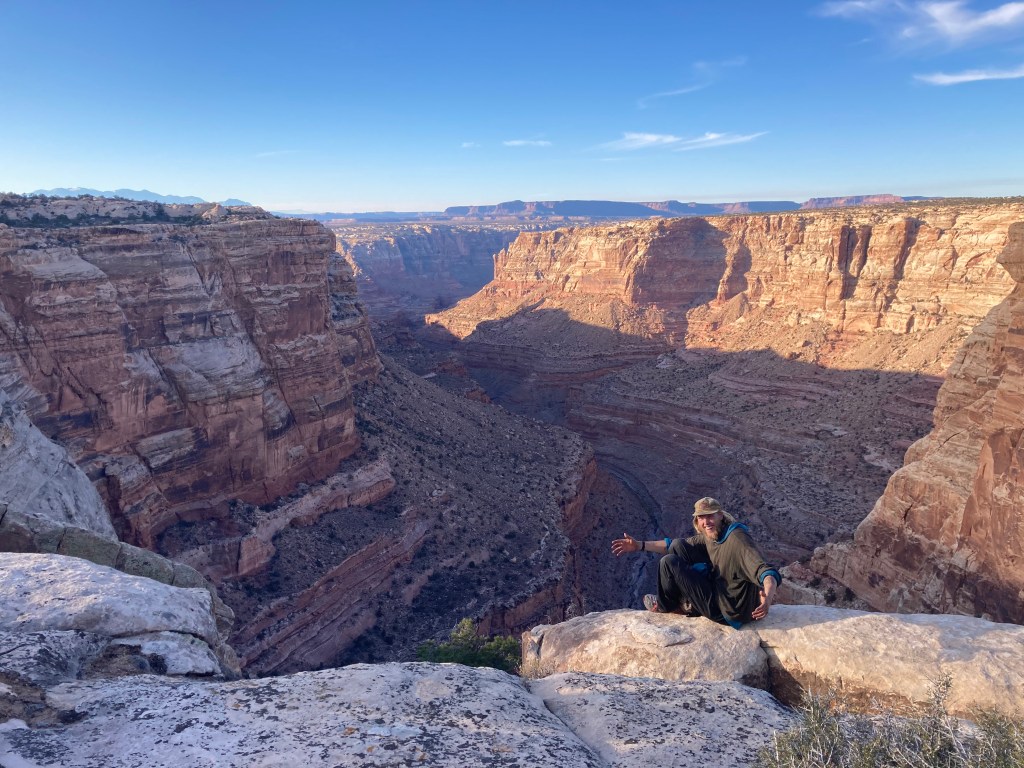
Don’t take this the wrong way. I’m not grateful it happened. I’m not glad. I’m deeply sad and that feeling will always crop up when I complete another canyon hike I know Ian never got to see.
The best way I can put it is that I highly respect what happened. Truth be told, my faith in humanity was restored after seeing what people were willing to give to the search. I witnessed deep human compassion, love, skill, thoughtfulness, teamwork, endurance, sacrifice, and creativity during those weeks looking for him.
I am not mad at Death. I respect that we all have a time to go, and that it’s always going to be a surprise how it happens. Ian’s time was up, and even though I didn’t want it to be, I can’t argue with the laws of nature, nor can I argue with the way he went.
Ian beat cancer in his twenties. He endured months of hospital stays and he always told me that was the worst way he could imagine dying. He had uncontrollable epilepsy and his second worst way to die was by car accident. He told me that if a mountain lion attacked us, that he would be more than happy to take the hit so I could be saved. The man made up his mind, he wanted to die outside. Most people never even contemplate their own death, much less get what they want.
Again, I don’t know how to write these things without being mistaken for being toxically positive or happy for tragedy.
I don’t waste my time wishing it didn’t happen. It happened. Holy shit, it happened. My lover left for a run and didn’t return. My nervous system didn’t recover for a year. I didn’t sleep for six months. I hardly ate anything for four months. I still have nightmares. I still suffer.
I was mad at Death when cancer claimed my dad’s life. That pissed me off. At seventeen, losing a dad felt cruel.
Over time, I saw how his death catapulted me into a new life.
Death is a catalyst for change. Like it or not, we change when we lose loved ones.
Before my dad died, I thought maybe I wanted to be a writer and a teacher. I even thought I’d join a sorority like the rest of the girls in my high school planned to.
Instead I went to college in Boone, NC and joined the circus. Literally. I joined the head standing, slacklining, fire spinning, juggling, hula hooping club. Almost immediately, I changed my major from English to Outdoor Experiential Education.

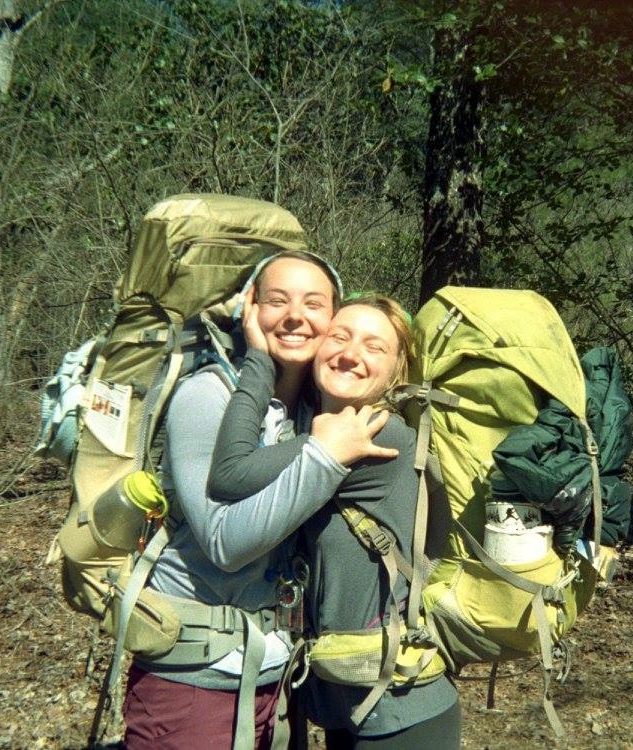
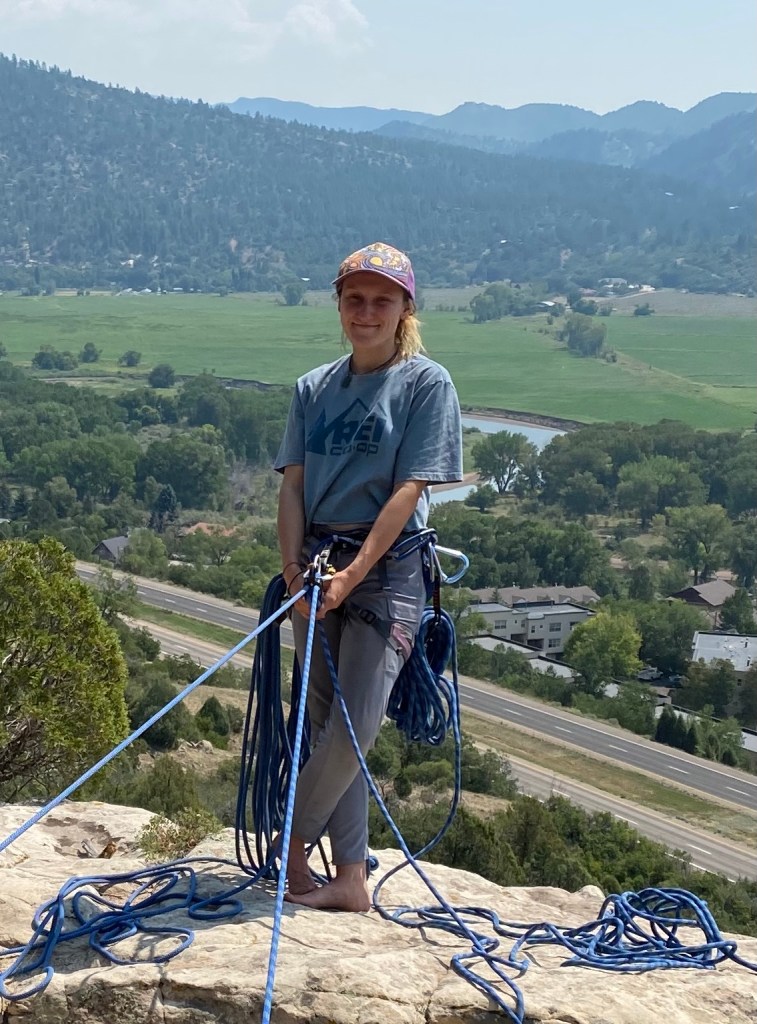
My dad’s death sent me running to the Blue Ridge Mountains at full speed, chasing endless highs and happiness to combat the extreme feelings of grief and despair that I did not want to feel. I learned how to canoe, belay, climb, backpack and dance for twelve hours straight. Eventually, under the canopy of an oak tree, I learned how to start processing grief.
I became a professional outdoor backpacking and climbing guide in North Carolina, California, Colorado, and Utah. I drove to 43/50 states! I lived a life so big I had never thought to dream of it in high school.
Ian’s death sent me crying to canyons, walking, sometimes running, then paddling. This time I didn’t push away the painful feelings of loss, anger, despair, and immense sadness. I let them engulf me and I embraced solitude with my dog in what felt like a never ending wilderness of stone and sky.
I don’t know what life would look like if Ian was still here. We would’ve been full time teachers at an elementary school, and to be honest I think we would’ve hated being in a classroom all day.
I doubt I would have gone to graduate school for creative writing, but when Ian died, I was so numb. Lost. I had no clue what to do. Each day felt excruciating to wake up to. The only slice of sense that I found was when my pen hit paper or fingers flew over the keyboard.
Grief can impair cognitive function, but it can also narrow our focus.
One repetitive thought that crept into each waking hour was this: I don’t want to die without writing a book. I don’t want to wait until I’m 50 to start writing because Ian died at 27 and what if I do too? What if I die doing something I don’t even want to be doing?
So I began to write, relentlessly.
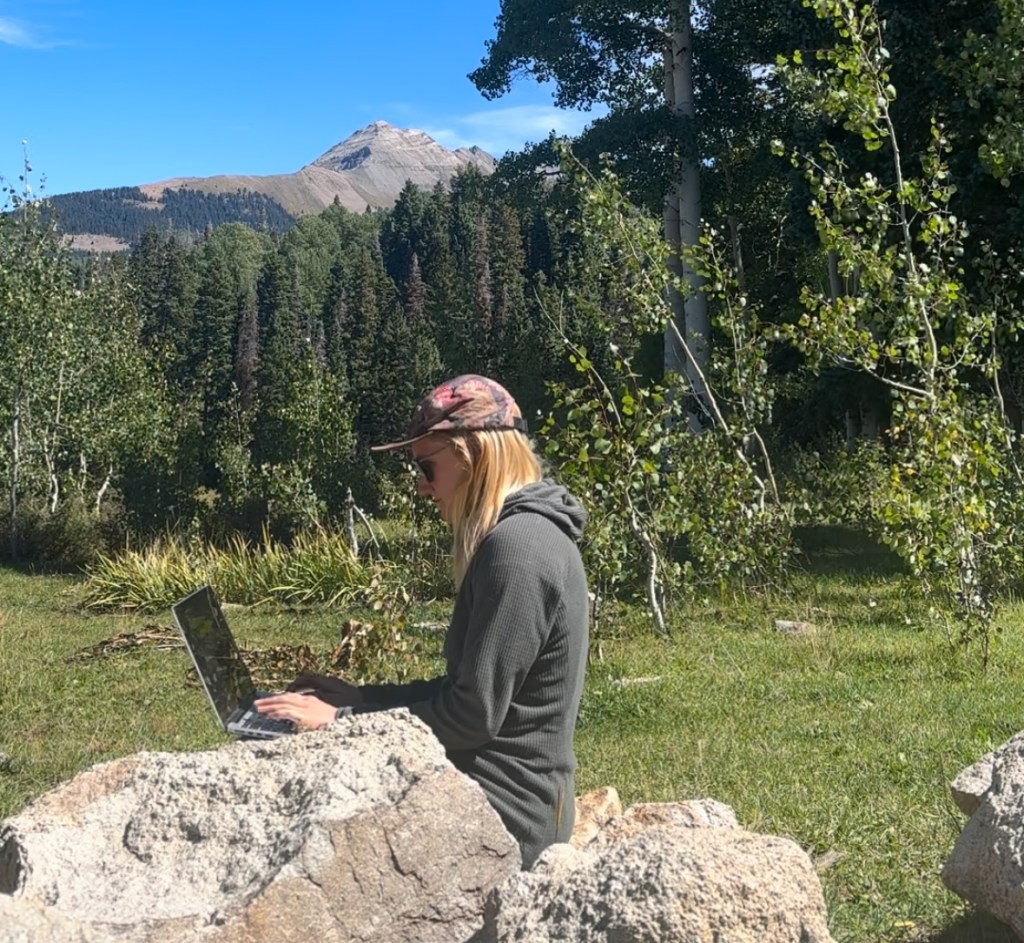
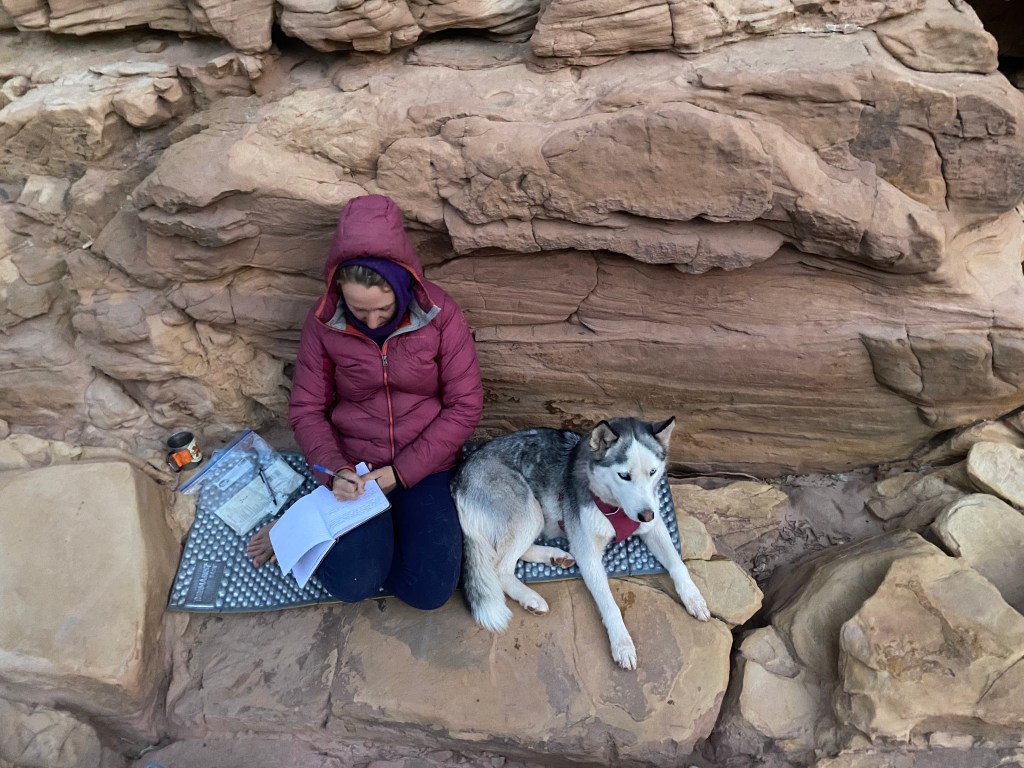
I learned how to start and finish a book, how to edit, how to interview, how to write fiction, and how to write third-person articles. I learned to write about grief, which opened the door to beautiful conversations with people across the globe about death. It allowed deeper connections to form in my life.
It’s also created a sense of easier, simpler connections. Sometimes I feel so overwhelmed by the fact that a friend/family member who makes me laugh is alive and only one phone call away.
In the last three years, I became a journalist, a master’s student, and a published writer. Things I thought might happen some day, but worked for it to happen now.
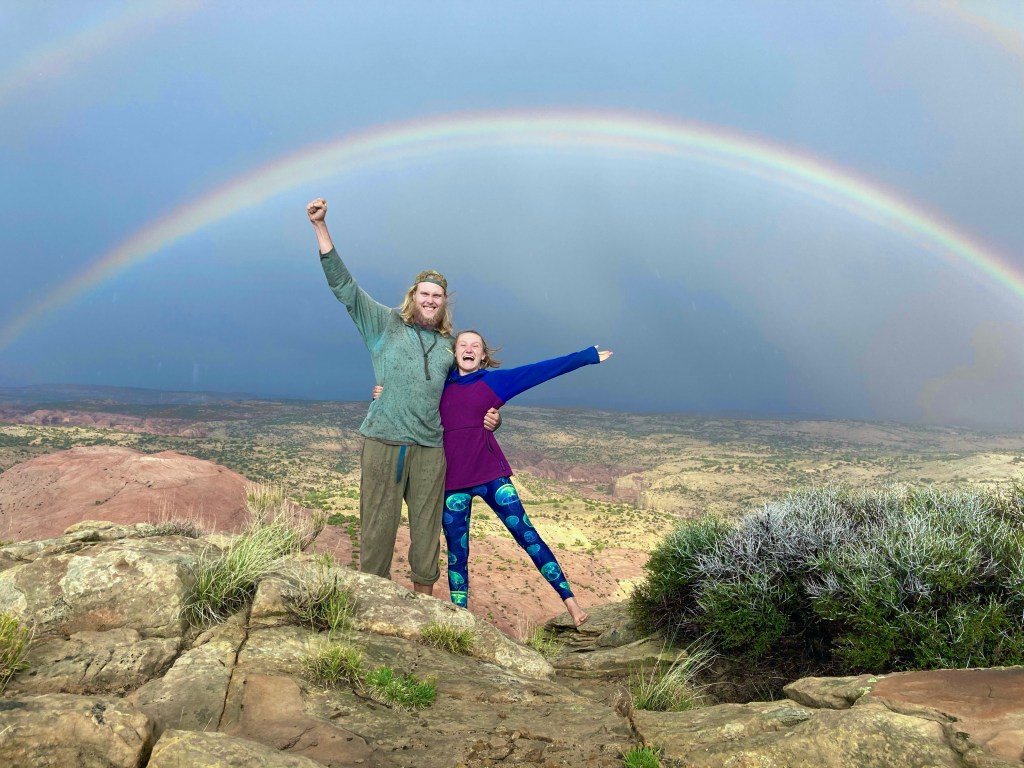
I also learned to let love in again, when I thought my hurt and pain made me, at the very least, undateable. Love always makes life better, and together we have built a new life in the desert.
We bought a motor boat to explore every inch of Lake Powell, a task that’s turning out to be impossible. We bought a third canoe. And packrafts. And a puppy, which was actually quite affordable. It was $10 Dog Day at the shelter, but we paid in sleepless nights and chewed up socks. And then we started a guiding business together, Pronghorn Expeditions.
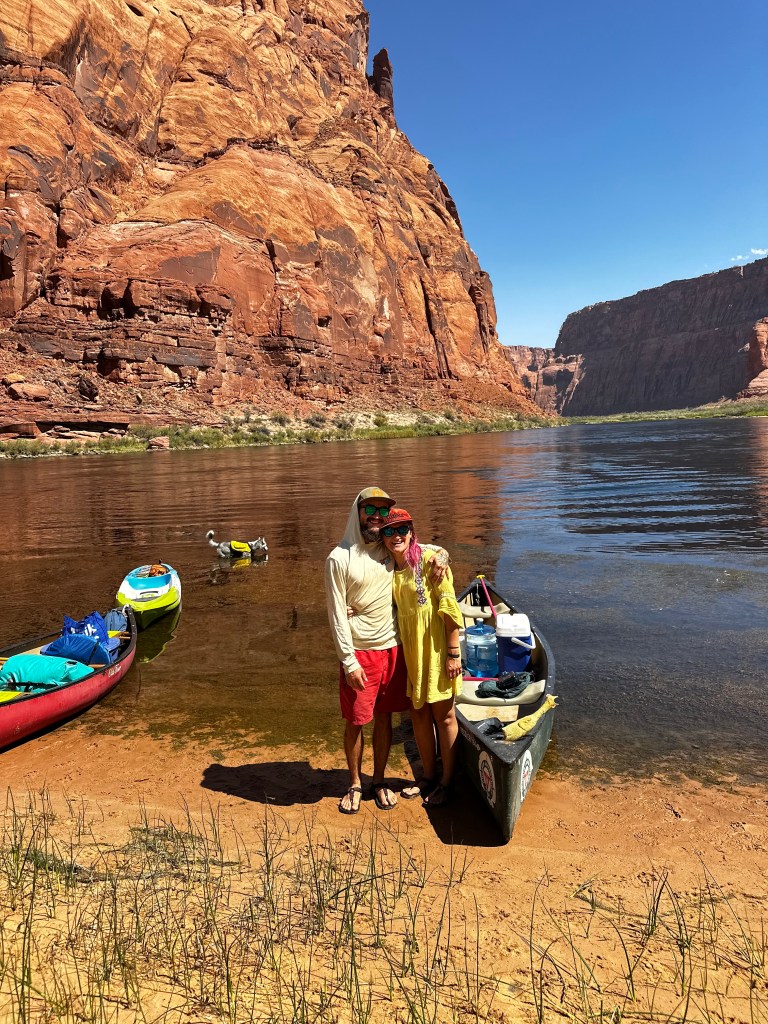
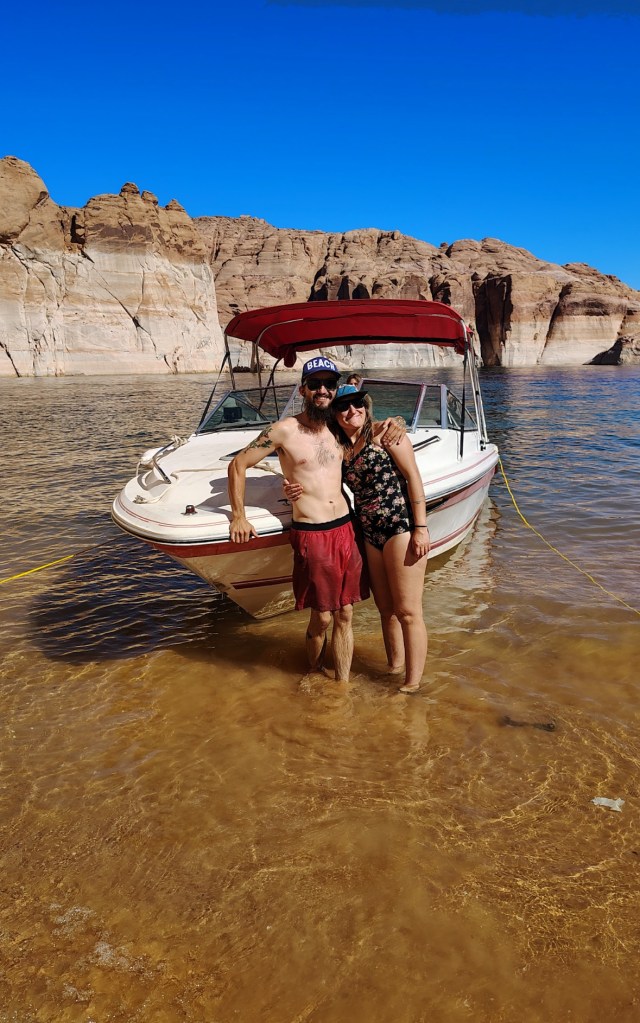
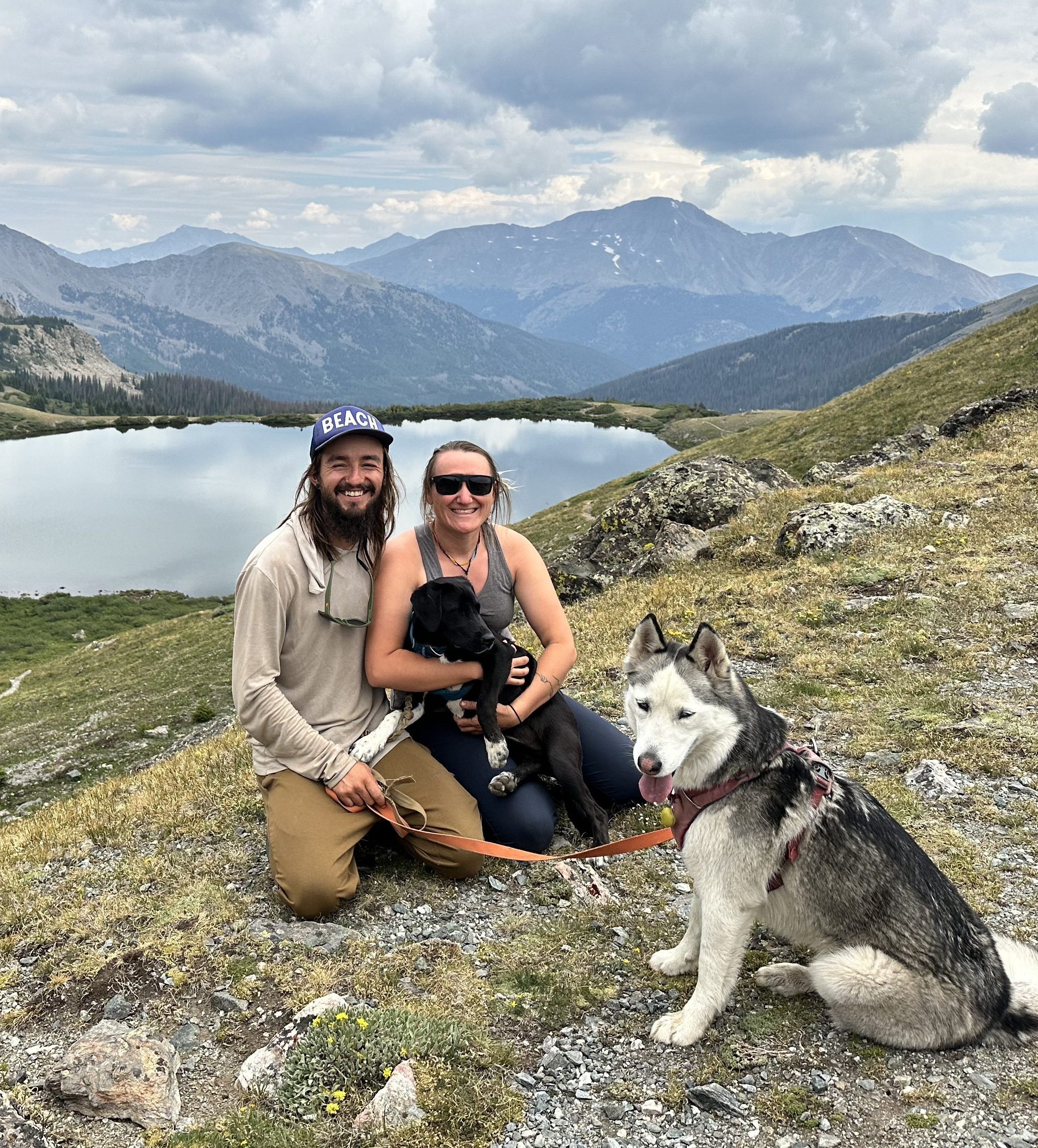
A business I am so proud of and am obsessed with making better every single day.
There are versions of ourselves that we work for and there are versions of ourselves that we become in response to life’s tragedies.
I’m not sorry for how my life has turned out.
There’s a part of me that can thank Death, for teaching me how to live. For showing me how fragile life is. For encouraging me to love my people every day and to chase dreams now because I don’t know if there will be a next year.
Will I become a raging bitch if you tell me that you’re “sorry for my loss”? No, I’m much more inclined to smile politely and write an angry diary entry later.
Do I want you to feel sorry for me because I’ve experienced shocking, painful and quite public losses? Nope.
Do I want your wallet for dinner? Only if you’ll be there to shoot the shit with me.
All jokes aside, no one really knows what to do or say in these situations because we aren’t taught. My hope is that by sharing this, we can all think about what we might mean when we say, “I’m sorry for your loss.” What are we really trying to communicate? What other words could we choose that would resonate more with grievers?
I recently saw a clip that went viral from Amy Poehler’s podcast interviewing Ariana Grande, who shared that her grandma had just passed away.
Poehler never said, “I’m sorry for your loss.”
Instead, she said, “Tell me about her.”
That seems like a really good place to start.
 Beth Henshaw
very good, thank you for sharing
LikeLiked by 1 person
Thanks for reading Cary!
LikeLike
Thank you for sharing this! I really appreciate these thoughts and the explanations you give.
LikeLike
Thanks for reading, Rachel!
LikeLike