(Written by the fire with gloved fingers in winter 2022-23)
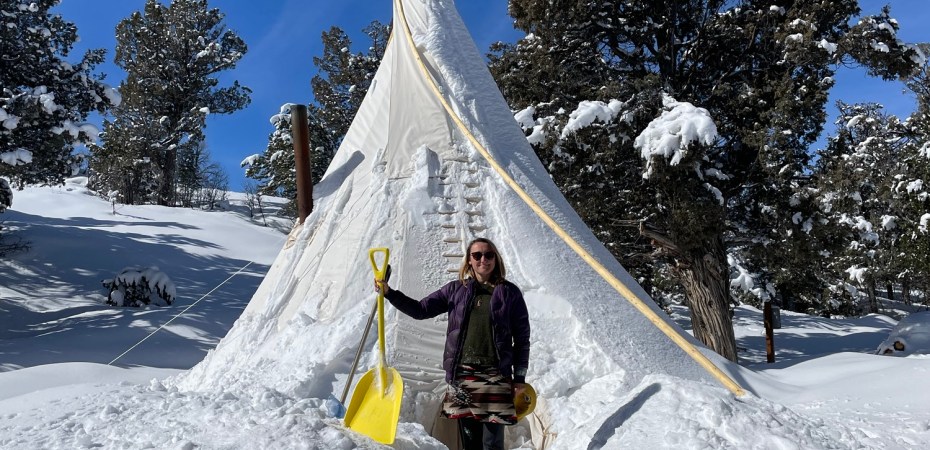
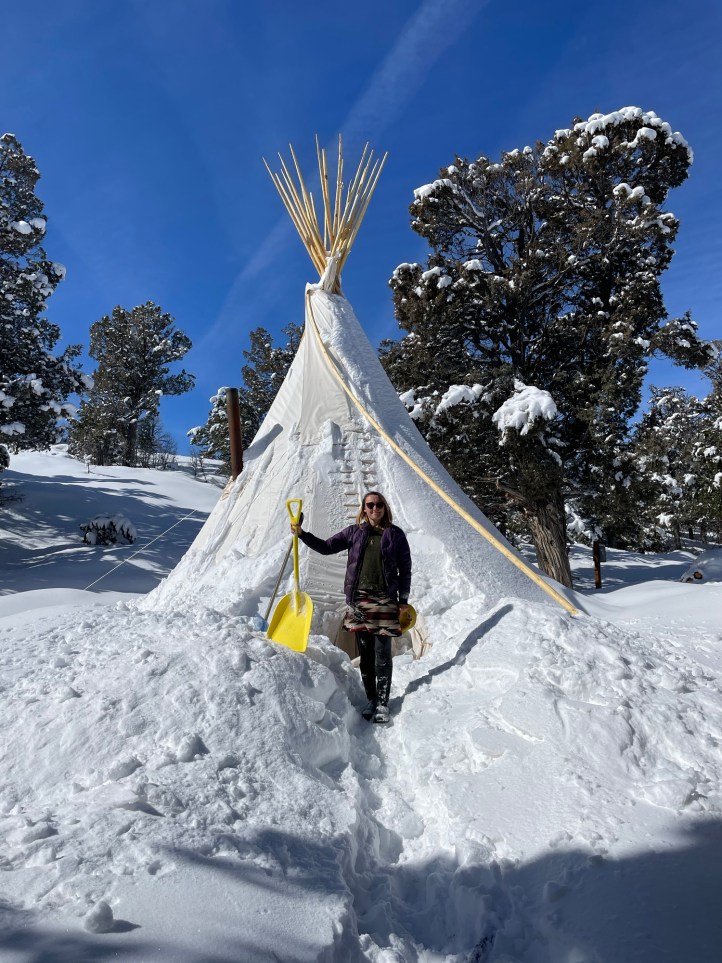
How do I cope with living in a tipi in the dead of a record breaking snowy winter?
By driving south.
For many years I’ve operated under the impression that having a therapist is a great idea. Therapists can really help. It’s good to talk to someone. But I don’t need therapy.
Fast forward to me in therapy.
I have a confession that only she can know. Within the first five minutes of our session, I looked her in the eye and told her, “I hate living in the tipi.”
We talked about how living in nature changes your relationship with it.
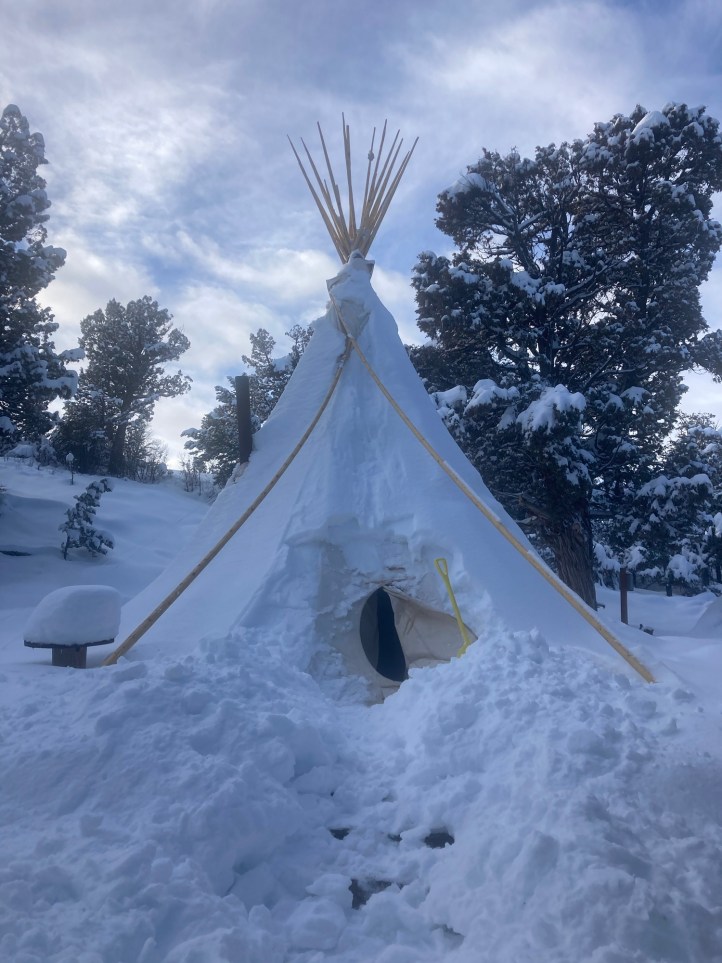
Instead of leaving the tipi to go play in the snow, the snow came in through the roof and melted on my bed.
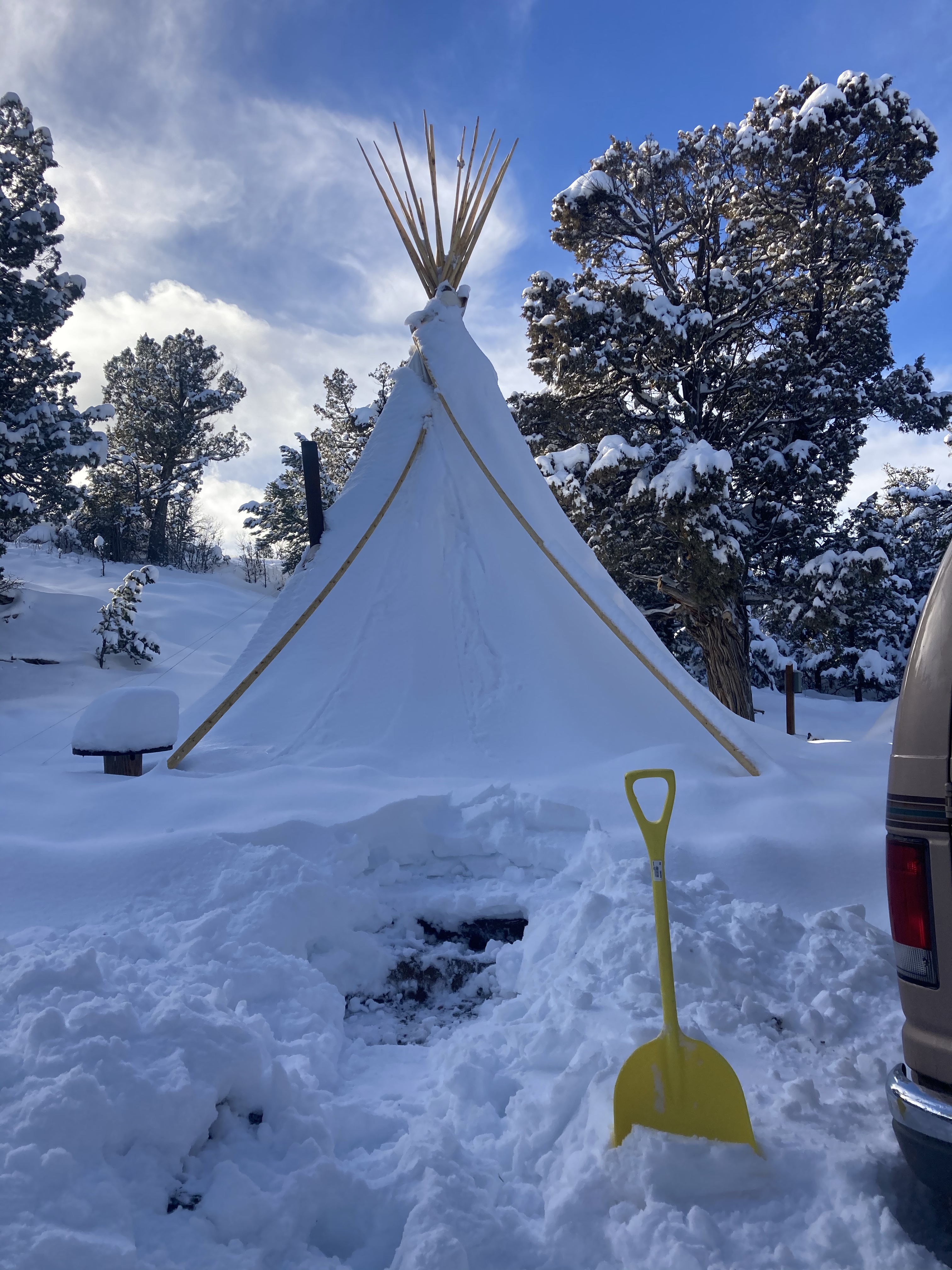
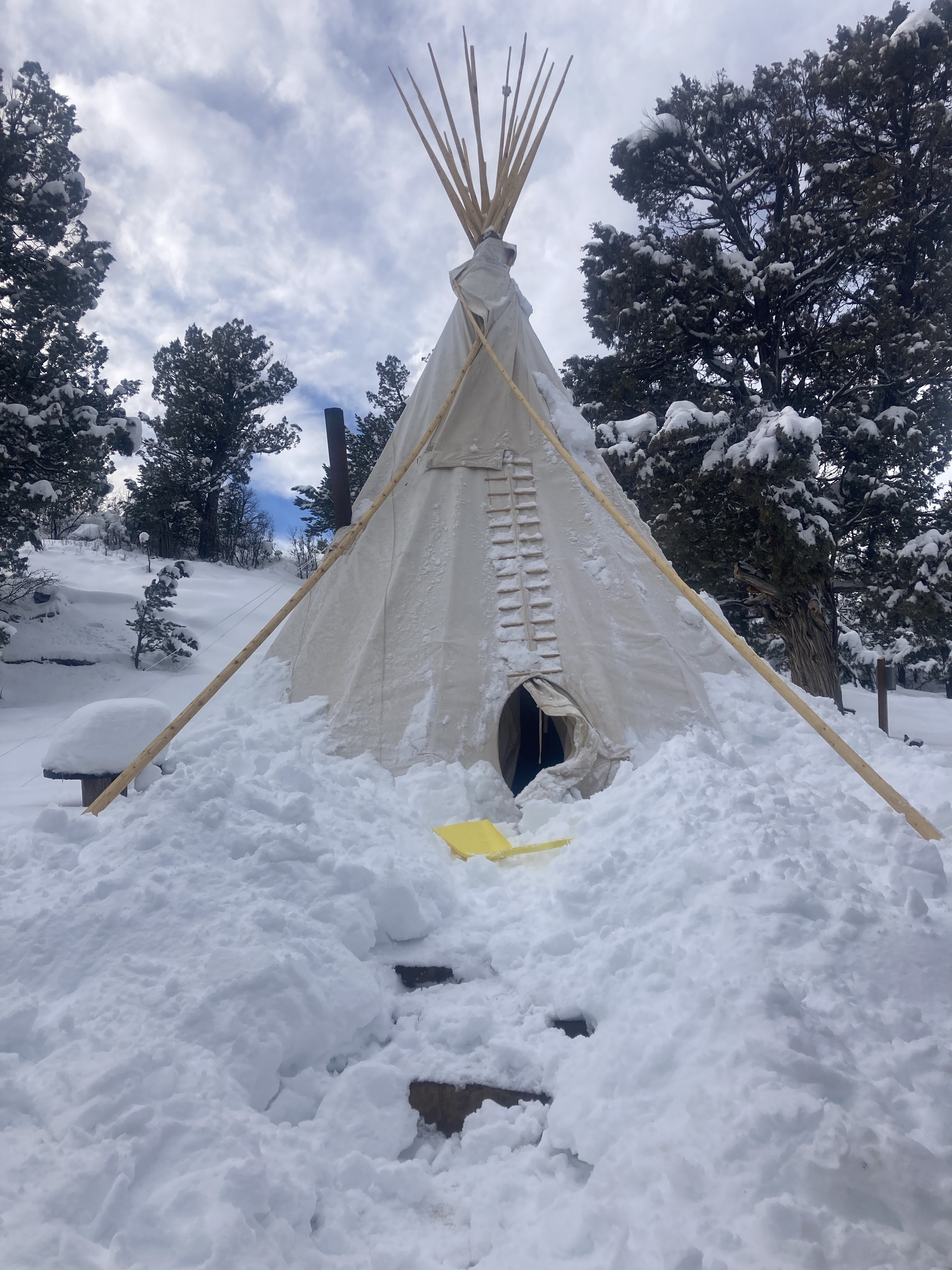
There is no “going to nature” when you live in it. There is no escape from cold and wind. Living in the elements is about survival.
Since moving into the van full time last spring and now attempting to live in a tipi through winter, I have not spent time writing or reading like I wanted to. My bike collected dust and the pages on my computer remained blank, month after month. My self critic raged inside my head. Why can’t I prioritize the things I love to do?
Shelter, water, food.
For two weeks while Ian and I worked on building the tipi and furnishing it, we slept in the van next to the tipi. We woke up to icy windows glazed over with frost. We zipped our puffies and put on another pair of pants before opening the door. The first thing we did was build a fire, sometimes arguing over who was smothering the fire and who was giving it too much air.
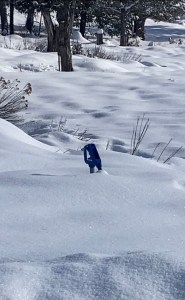
We pulled frozen sticks off the ground and grumbled when they wouldn’t catch immediately. Once we had fire, we needed water.
Water. Trudge through the snow for a five minute walk to a spigot, or find a good rock to hit the frozen water jug cap with. Let the ice break. Pour water into pot, and put it on the fire. Wait for the water to boil.
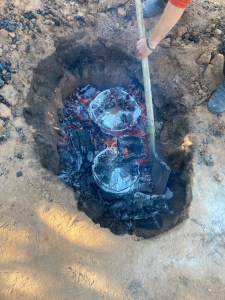
We waited for a coal bed to form so we could cook eggs on the coals, not over the flames. Drinking coffee and eating breakfast took two hours, usually. And I wondered why I didn’t have time to journal?
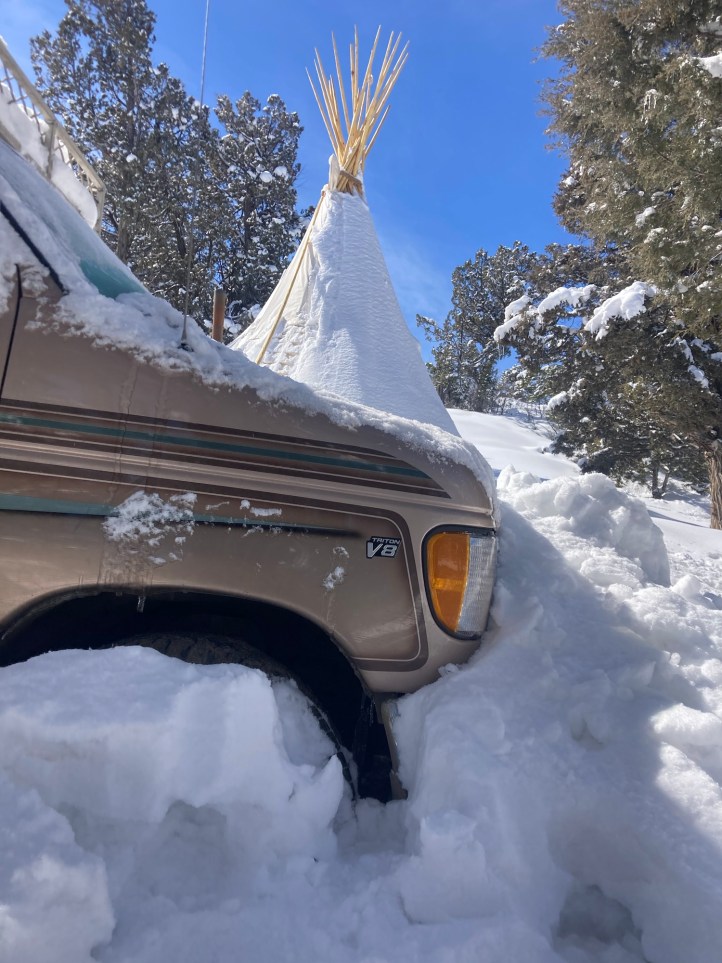
And then Ian left to work in Prescott, Arizona for three months. Those three months dumped a record breaking amount of snow in southwest Colorado, and I was left alone to shovel the 9 feet of snow, chop wood, build the fire, dry out our bedding when it got wet, scrape ice off the vehicles, cook, clean, and stay warm. It was what I wanted, but none of us could have predicted the unprecedented amount of snow that fell that winter. I wanted to do more than just make it through a 15 degree day.
I wanted to live close to nature. But I also wanted to write a book, ride my bike, hang out with my friends, read, paint, and hike. It wasn’t all happening. There simply wasn’t enough time in the day for art.
My therapist nodded, as if that makes perfect sense. Before saying anything she pulled out one of those yellow lined notepads. “Can you rent a room?” she asked.
“Mm, yeah…I could,” I said, rolling my eyes. What a waste of money though. I already work two weeks on, two weeks off. No landlord offers a scaled half a month of rent. And then the half that I’m not working, I have plans to adventure. I cannot fathom paying $600 for a room for three-four days of living in it. A complete waste.
“But you don’t want to,” my therapist said, and I nodded. She clicked her pen into gear, raised and ready to write. “Can you drive south?” she asked.
My eyes lit up. Yes. I have another secret that I share with her. “That’s my plan,” I nodded. “I can drive south.”
“Wonderful,” she said. “Now, we need to map out a plan of how you can avoid the tipi until-“
“I have it planned out until February 11th,” I interrupted.
Her pen began scribbling, writing down what I told her, marking the dates that I planned to be in Arizona and Utah. I exhaled. Finally, someone who agrees.
The answer to winter has always been drive south.
“Batten down the hatches, get everything ready to go. You are going to live on the road,” she said.
Unfortunately, it was too late for my van Trish the Tank to emerge from under the snow. She would have to wait for spring adventures, so I loaded up Ian’s truck instead.
My therapist told me that I need to reclaim my connection to nature. After six months of living in a van and three months living in a tipi, my relationship with nature felt strained. Resentment built toward otherwise fun and wonderful things.
For example, last fall my friends and I visited a hot spring. I hesitated to get in. I knew they all had showers to return to and they could wash off the smell of sulfur, but I didn’t want to miss out.
It was a beautiful day, with light snow falling on the mountains around us. Free wilderness pools are dwindling and being paved for profit. But this one was still pure, still free, still raunchy, and we had it all to ourselves. I soaked in the pools with my friends and took in the views, enjoying myself momentarily. But one hour of pleasure turned into six days of smelling like sulfur and wishing that I hadn’t gone in. I didn’t want to resent something as wonderful as a hot spring, but I did.
Even my relationship with walking became strained. My biggest concern for winter has been wet feet, or wet anything. So I did my best to avoid puddles, sometimes walking in the most ridiculous zig zag formation, up on my tip toes pressing my body flat against trees, scraping my face against branches all to avoid the muck.
Sometimes it didn’t work and my foot would slip into a puddle anyway. Sometimes the trail was so full of puddles, ice, and snow there was no way to avoid it. My choices were to either trudge through or not go on a walk.
To dry my socks I would need to get in the car and blast the heat or drive home and start a fire. My mind calculated how long I could safely stay outside with wet feet, how long it would take to get back, and did I have extra dry socks with me and did I remember to cover the wood pile before I left? It took the joy out of walking.
What would it take to reclaim my connection to nature?
She told me to go camping for fun, in a warm place.
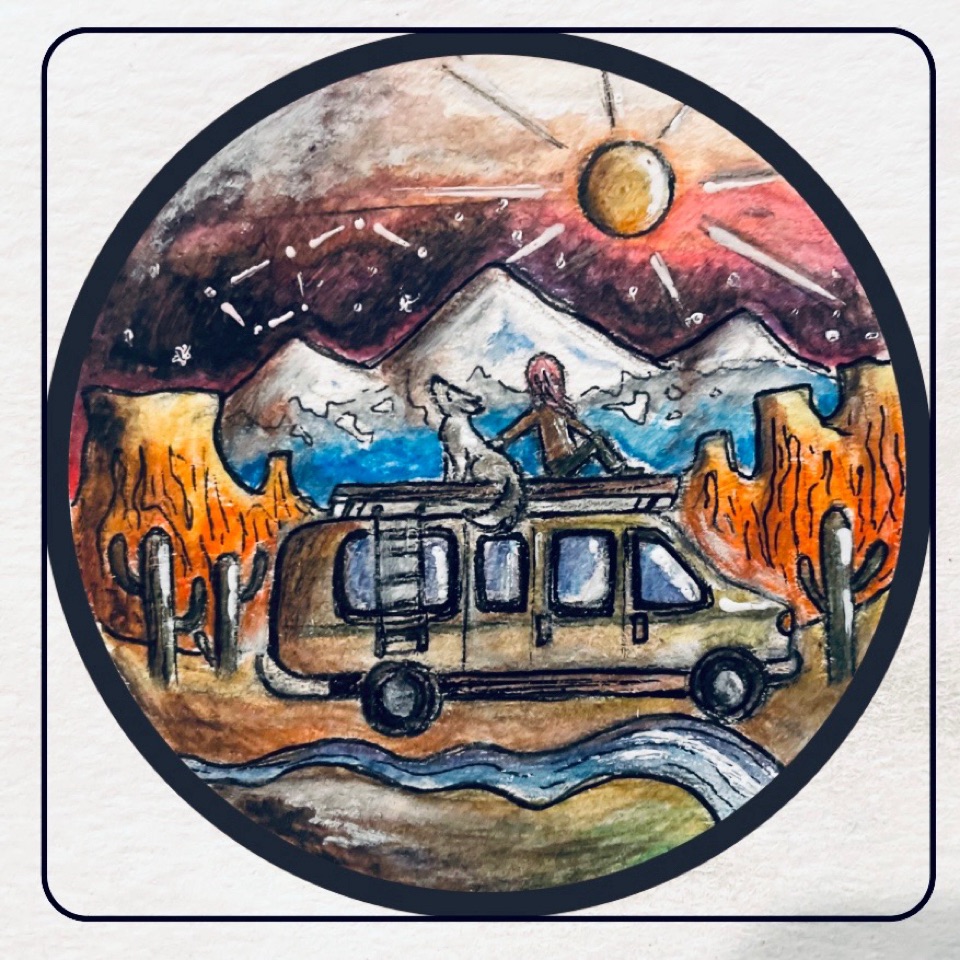
I loaded up the truck and drove down to Arizona to park in the sunny saguaros, leaving the snowed in tipi behind.
During that time, I took a wilderness first responder recertification course. My instructor asked the class, “Why do we go outside?” and then he answered his own question, “To relax of course.”
I scoffed, thinking he was joking. I looked around the room and most people were nodding. One of my classmates said, “And to have fun.”
Oh, right. I thought. As it turned out, working three years in a wilderness job with 16 days in the field a month and coming home to a van, backpack, or tipi was wearing on me. I was tired of living outside all the time.
Love This Blog? Make a one-time donation
Choose an amount
Or enter a custom amount
Your contribution is appreciated.

