
Subscribe to get access
I joined an online support group for widows that will last five weeks throughout the holiday season. Over 284 people across the globe joined this group! Weird enough- a woman in the group is from Mancos and donated supplies to the search for Ian…I love when the world feels small.
Seeing the faces of young widows brought a sense of relief as I felt less alone in my experience. Hearing wisdom from widows of eight-ten years was infinitely valuable as they could offer a broader perspective.
The instructor of the course is a death doula and introduced us to concepts in the book Grieving Beyond Gender by Kenneth J. Doka (affiliate link).
Doka writes about types of grievers, which he puts on a scale of intuitive to instrumental with a blend in the middle. The intuitive griever experiences loss deeply through emotions, while the instrumental griever tends to feel more comfortable processing grief intellectually.
Thinking through grief vs. feeling. Neither are right, wrong or bad. I fall somewhere in the middle with a blended style of grieving, but lean more toward instrumental.
Instrumental grievers prefer to DO something, rather than spend hours talking about grief. For example when the search for Ian ended and he was still classified as a missing person, I drove across the country to spend time with my family. Driving felt helpful for me to put literal thousands of miles between me and the search zone. It felt productive to move, rather than sitting in the meadow under Hesperus, crying, and feeling the loss deeply.
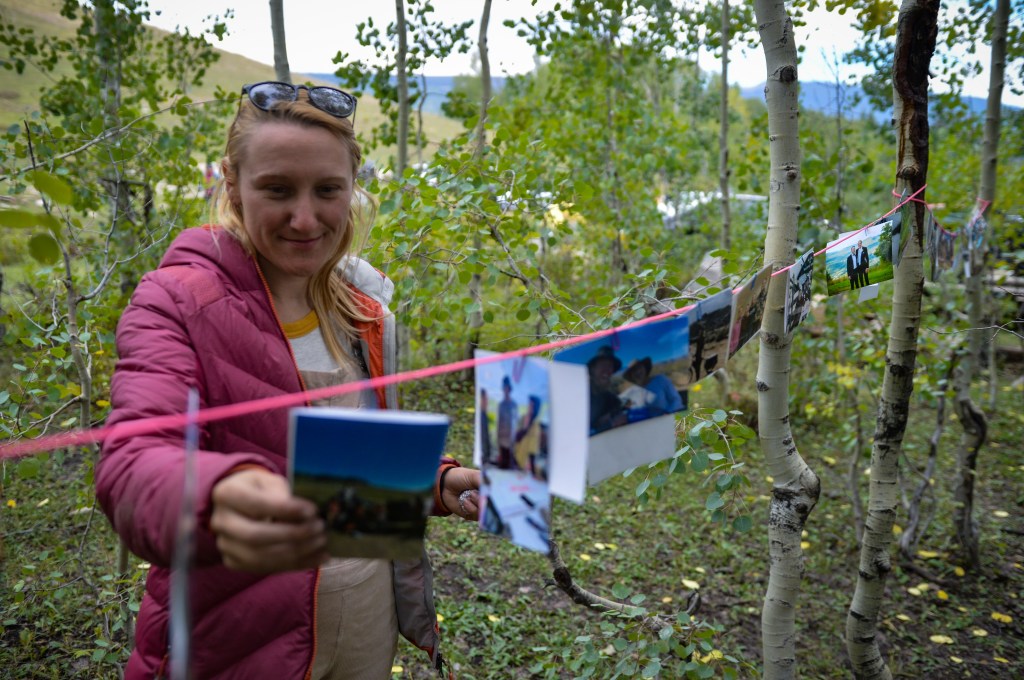
When Ian’s body was found, I felt relieved to finally be able to plan a memorial. It felt healing to honor him by printing photos to hang in the aspens, frame his artwork to prop up on rocks, collect art supplies to set up a painting station, make a playlist to dance to, create a flyer, and invite others to come celebrate his life.
Intuitive grievers prefer to express their grief, seek support from others, grieve with others, journal about their feelings, cry, scream, etc. When my dad died almost twelve years ago, I avoided all of this. But when Ian died, I was much softer to expressing my grief. I’ve never cried so much in my life, and every tear relieved some of the inner turmoil.
For Ian’s memorial, I sat down and journaled a whole speech and cried the whole time writing it and delivering it too. Crying in community felt freeing- like we could collectively agree that Ian was deeply missed and his death shocked us all.
Listening to other’s stories of Ian felt connecting. Going on a river memorial trip for Ian with 25 friends felt humanizing, tender, and rejuvenating. Grieving together was touching and affirming. I let myself be held and cry in company. I suppose I am learning and leaning more into the intuitive grieving side.

Learning about these different styles of grief is helpful just to add to my vocabulary of an otherwise disorienting experience. It helps me feel more compassionate toward others and their own process of grieving.
For instance, some people didn’t want to search for Ian, but they did want to be in the search zone, hold others and cry. I did not want to do this- I was in the doing brain. Look at maps, hike to a search zone, take out the trash, organize donations, look at the map again, make a plan, answer radio calls. There were times when I felt annoyed at the criers.
Do something helpful! I thought, while they were likely watching me run around thinking, Slow down and feel something, damn it!
Looking back on the search through this lens of instrumental, intuitive, and blended grievers gives me more clarity and compassion. Being on a different page and grieving wavelength naturally makes sense, where in the moment it may have been frustrating.
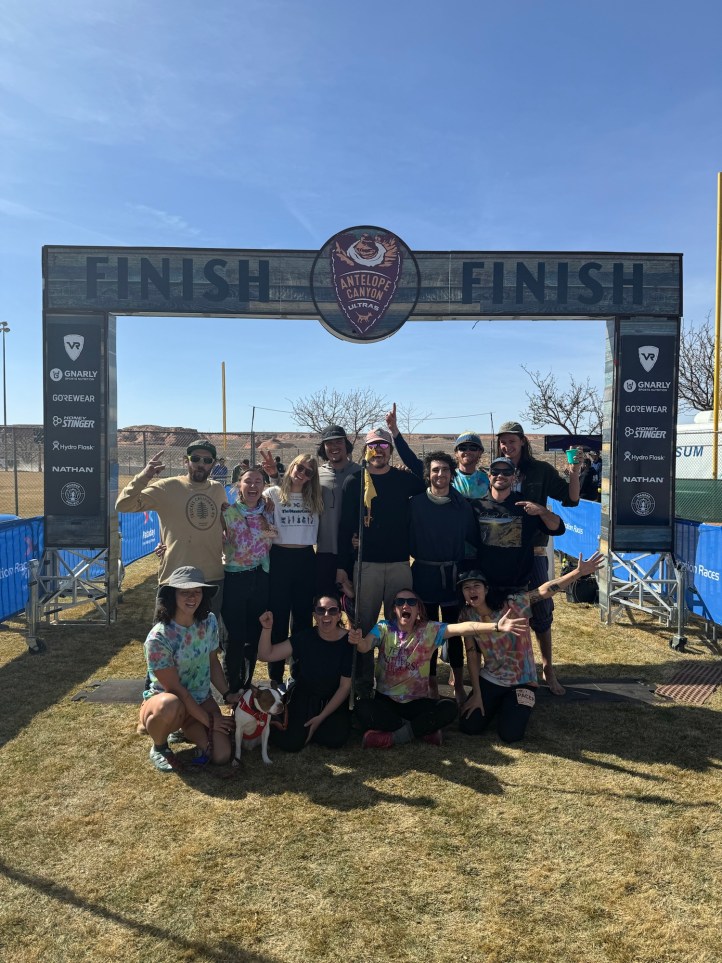
Instrumental grievers often process grief through the body and action. Think of all the people who came to Page last February to run 50-100 miles for Ian to honor the race he was training for. Even at the run, some people in the group were content to run while others created a video diaries of what it meant to be there running for Ian. Some ran fifty miles while others pulled tarot cards and asked for a message from Ian.
I am able to see all the ways of grieving as beautiful and valuable. I like to think that we need each other. Too much feeling needs motion. Too much motion needs feeling. Rather than wishing we all grieved in the same way (never gonna happen) I invite all the grieving to share space. We can learn from each other’s grief and pull each other into connection.
The second year of grief feels harder than the first. I kept wondering why this is.
The first year I had so much to do. Distribute Ian’s clothes and bikes to friends, organize several memorials, go on week long backpacking and river trips to spread his ashes, train for the 100 mile race, etc. Planning these events brought immense comfort and even some joy. But now it’s year two, the memorials are done, the ashes are spread…now what?
I’m just supposed to feel?
Ah!
Knowing that planning, doing AND grieving in community helps me, I created a monthly check in for Ian’s community and people affected by the search. We meet virtually on Sundays in our pajamas. If you are curious to join, the sign up and information sheet can be found here.
The first community check in was last month and people came from Colorado, Florida, Vermont, Arizona, California, and North Carolina. Gosh, I love technology. We caught up and talked about our grief, laughed at some funny memories of Ian, and listened to each other’s life updates. A sense of calm washed over me to be able to reconnect with Ian’s community as we are all spread out around the country.
Check in next week for another update as I continue to lean into this whole widow journey.
Lots of love,
Beth
 Beth Henshaw